

Pigeons may look harmless, but once they settle in your garden, they can damage plants, leave droppings everywhere, and quickly invite more of their kind. The good news? You can repel and encourage them to move elsewhere without harming them. In this guide, you will discover practical methods to repel pigeons from your garden.
Every day pigeons invade your garden? Break the cycle with a deterrent that works while you don't.

Why Are Pigeons in Your Garden?
Before you can persuade pigeons to leave, it helps to understand what draws them in. These birds are creatures of habit, and if your garden checks a few of their boxes, they will happily settle in and return day after day. Here is what may usually attract them to your garden:
➡️ Easy access to food: Pigeons love seeds, grains, berries, and fresh shoots. A vegetable patch, fruit trees, or even spilled birdseed from a feeder.
➡️ Available water: A birdbath, pond, or standing water in gutters and saucers gives them a reliable place to drink and bathe.
➡️ Safe nesting spots: Pigeons look for sheltered ledges, dense trees, sheds, and roof overhangs where they can build nests away from predators.
➡️ A calm environment: Gardens with little human activity and few natural threats feel like a safe haven, especially if no deterrents are in place.
➡️ Habit and memory: Once pigeons find a good spot, they memorize the location and come back regularly, often bringing others along.
Repel Pigeons From the Garden by Removing What Attracts Them
Since food, water, and shelter are the main reasons pigeons visit, cutting off these comforts is the most logical place to start. This approach costs little to nothing, and it makes every other method in this guide work better. Here is how to make your garden far less appealing to pigeons:
- Secure your bird feeders: If you feed songbirds, switch to pigeon-proof feeders with small perches or protective cages. Sweep up spilled seeds regularly, as pigeons are happy to feast on the ground below.
- Protect your crops: Cover vegetable beds, berries, and young seedlings with garden netting or fleece. Harvest ripe fruit promptly instead of leaving it on branches or on the ground.
- Store food sources properly: Keep pet food indoors, seal your compost bin, and use garbage cans with tight-fitting lids. Anything edible left outside is an invitation for pigeons.
- Limit standing water: Empty plant saucers, fix clogged gutters, and if you keep a birdbath, consider moving it away from areas where pigeons gather or emptying it for a while.
- Block nesting spots: Check ledges, eaves, sheds, and dense hedges for signs of nesting. Trim overgrown branches before birds settle in.
- Clean up droppings and old nests: Pigeons recognize places where they have stayed before. Removing these traces helps break the cycle of return visits. Wear gloves and a mask when cleaning, as droppings can carry bacteria.
Physical Barriers to Deter Pigeons From Your Garden
Among the options for what repels pigeons, physical barriers are the one to reach for when the birds keep returning no matter how tidy you keep the garden. They work day and night, never need refilling, and discourage birds from settling or feeding in the spots you protect.
Cover beds with bird netting

Bird netting is one of the most dependable ways to protect vegetable beds. Choose a mesh of about 2 inches or smaller and drape it over a simple frame so it does not rest directly on your plants. Secure the edges with pegs, bricks, or soil to prevent gaps. Pigeons quickly give up when they cannot reach the leaves. Check the netting regularly to make sure no bird gets tangled underneath.
Shield seedlings with hoops, row covers, and tunnels

Young shoots are a pigeon favorite, so protect them from day one. Bend flexible hoops of wire or plastic pipe over your rows, then stretch fleece or fine mesh across to form a low tunnel. This keeps birds out while letting light, air, and rain through. Once plants are sturdy and less tender, you can remove the covers. Many gardeners reuse the same hoops season after season, making this a cheap long-term setup.
Cage your berries and soft fruit

Strawberries, raspberries, and currants attract pigeons like magnets. A fruit cage solves the problem: build a frame from wooden posts or metal poles, then cover the top and sides with netting. Leave enough height to walk inside comfortably for picking and weeding. For a small strawberry patch, a simple box-shaped cover made from mesh panels works just as well.
Crisscross string and canes to break up their landing spots

Pigeons need clear, open space to land and take off. Deny them that by pushing bamboo canes into your beds and running garden string or fishing line between them in a loose crisscross pattern, about 8 to 12 inches above the soil. The lines confuse their approach and make landing awkward, so most birds head elsewhere. It costs almost nothing and takes minutes to set up around vulnerable plants.
Fit bird spikes on fences, posts, and shed roofs

Fence tops, posts, and shed roofs are the perches pigeons use to watch your garden before they land. Bird spikes take these lookout points away. They do not hurt the birds: the tips are blunt, and they simply leave no flat surface to land on. Most models come in strips with a plastic base and stainless steel or plastic spikes. You can fix them with screws, outdoor glue, or cable ties, and join or cut the strips to fit the length you need. Choose a width that covers the whole perch, or pigeons may land beside the spikes. They last for years outdoors, but check them now and then to remove leaves or debris caught between the spikes.
Visual Deterrents to Repel Pigeons From the Garden

Physical barriers protect specific spots, but visual deterrents work differently: they play on a pigeon's natural caution. Here are the approaches in this category worth trying.
Reflective flash over beds and fruit trees
Pigeons tend to avoid sudden, unpredictable flashes of light. Old CDs and foil strips can work for a while, but purpose-built reflective flash devices go further. Their mirrored surfaces rotate with the wind and send flashes in every direction, which unsettles approaching birds. Place one above beds or fruit trees, in an open, sunny and breezy spot. Results may vary with sun exposure and wind, so move the device from time to time.
Predator decoys in an open garden

Pigeons instinctively avoid birds of prey. A visual owl decoy such as the SilentOwl uses this reflex. Its realistic owl design, wind-activated bell, and reflective ribbon combine sight and sound to make your garden feel risky. Hang it from a tree, pergola, or gutter using the supplied cord. One key rule with any decoy: move it every few days. Pigeons are observant, and a predator that never changes position quickly loses its credibility.
Scarecrows and moving objects
The classic scarecrow still has its place, especially over large vegetable plots, but movement is what makes it convincing. Add to it loose fabric strips, streamers, or windsocks that flap in the breeze. Pinwheels, hanging ribbons, and balloons with large eye patterns also give pigeons pause. As with decoys, rotate positions and swap objects regularly. A garden that keeps changing feels unpredictable, and unpredictability is precisely what these wary birds prefer to avoid.

Commercial Products For Repelling Pigeons From The Garden

Commercial devices are worth considering. The options below require little effort once installed and pair well with the barriers and visual tricks covered earlier.
Ultrasonic pigeon repellents
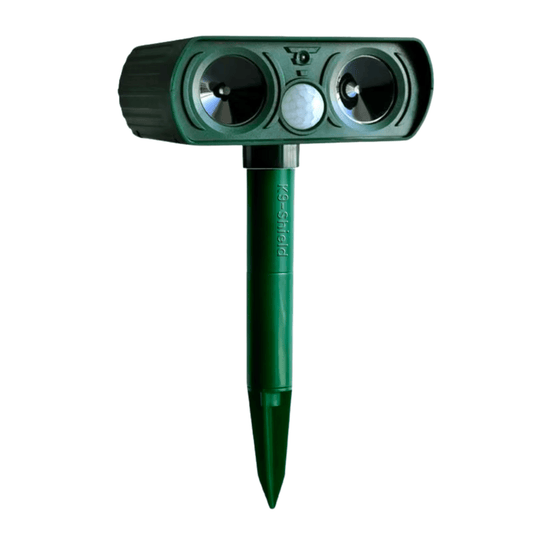
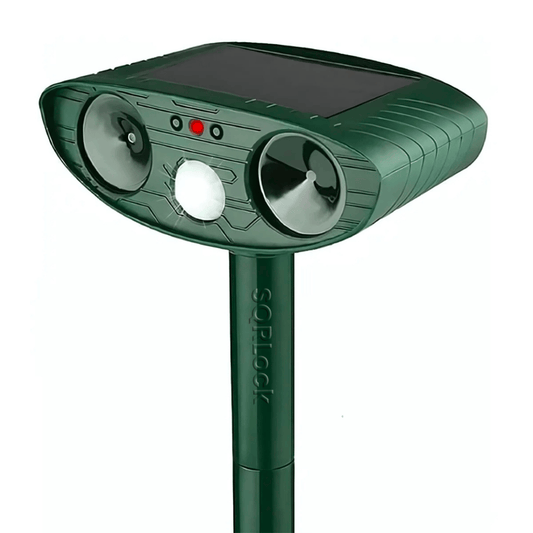
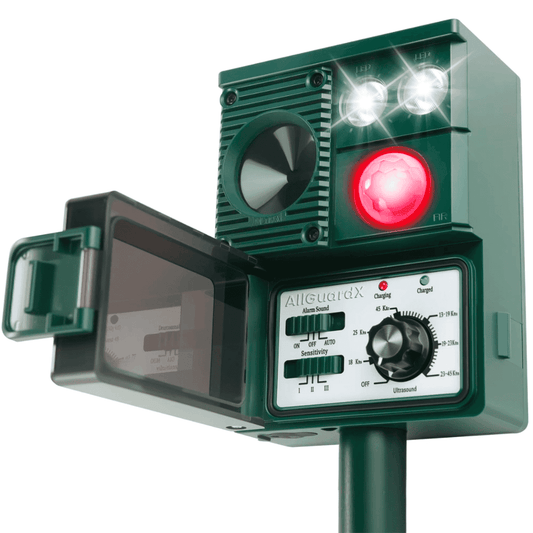
Ultrasonic devices emit high-pitched sound waves within the hearing range of birds, creating an environment pigeons find unpleasant. A dedicated ultrasonic pigeon repellent like the PigeonChaser pairs these ultrasonic sounds with bright LED flashes, its primary visual deterrent. Pigeons perceive light flicker at much higher rates than humans, so what looks like a steady LED to you can appear as an unsettling strobe to them. A PIR motion sensor triggers the device within a 20 to 25 ft range and at a 90° angle, and its solar panel with USB backup keeps it running day and night.
When pigeons show up alongside other bird species in your garden, an ultrasonic bird deterrent such as the ZeroBird from Sonic Barrier may suit you better. It covers a 25 ft range with a 110° detection angle and uses variable frequencies designed to limit habituation.
Effectiveness may vary depending on environment, installation, and animal behavior, so treat these devices as one layer of your strategy rather than a standalone fix.
Motion-activated sprinklers
Few things make a pigeon leave faster than a sudden burst of water. A motion-activated sprinkler uses an infrared sensor to detect birds and sprays a short jet of water when they come close. It connects to a garden hose and runs on batteries or solar power. The water startles birds without harming them. Move it from time to time so pigeons do not get used to it.
Motion-activated alarm or strobe
These devices pair a motion sensor with a sudden sound or flash of light the moment a bird lands nearby. The abrupt stimulus interrupts pigeons before they settle and encourages them to fly off. They work best in areas birds approach predictably, like a shed roof or a feeding corner. Consider your neighbors before choosing a loud model, and reposition the unit from time to time so the effect stays unexpected.
Stop chasing pigeons off. Let this device handle the job, day and night.
Natural and DIY Pigeon Repellents For The Garden
If you're wondering how to repel pigeons naturally, keep in mind these options won't match the power of barriers or devices, and results tend to be mixed. Still, they are inexpensive, safe, and easy to combine with everything covered so far.
Plants that repel pigeons to have in your garden

No plant will keep pigeons out on its own, but some choices make your garden less comfortable for them. Many gardeners report that strongly scented herbs are unappealing to birds:
- Lavender, rosemary, and mint: their intense fragrance may discourage pigeons from lingering near beds.
- Marigolds and chives: often planted as companion plants, with a scent birds tend to dislike.
- Prickly or dense shrubs (holly or pyracantha): less about smell, more about denying comfortable perching and nesting spots.
Plant them around vegetable patches or under favorite perches. At worst, you gain a fragrant, attractive garden.
Scents That Repel Pigeons From Your Garden

Pigeons rely mostly on sight, but certain strong odors seem to bother them, and several are worth testing:
- Cayenne pepper or chili flakes: sprinkle around beds and perching spots; reapply after rain.
- Peppermint essential oil: soak cotton balls and place them in small containers near problem areas.
- White vinegar: spray diluted on ledges and railings where droppings accumulate.
- Crushed garlic: scatter near feeding zones for a pungent effect.
Keep your expectations realistic here as scent-based methods fade fast outdoors and need topping up often. They work best as a backup layer, not your main line of defense.
Homemade pigeon repellents for the garden

A few DIY projects can stretch your budget while adding real value to your fight against pigeons:
- Reflective mobiles: string old CDs, foil strips, or small mirrors along fences and branches so they spin and flash in the wind.
- Homemade spice spray: mix water, a spoonful of cayenne, and a drop of dish soap, then spray around beds. Reapply after rain or watering.
- DIY wind chimes: hang metal objects like old cutlery that clink unpredictably in the breeze.
- Fishing line grid: stretch lines above balcony rails or bird tables to make landing awkward.
Comparative Table of These Methods to Repel Pigeons From Your Garden
With so many options to repel pigeons from your garden, a side-by-side view makes it easier to pick the right combination for your situation. Here is how the main methods compare:
Pigeons adapt fast. Stay one step ahead with our full toolkit of deterrents.
Long-term Strategies For Keeping Pigeons Away From Your Garden
Chasing pigeons off once is one thing; keeping them away for good is another. The habits below help you stay ahead of them season after season:
- Combine several methods at once: Pair a physical barrier with a visual or sound deterrent. Layered defenses cover each other's weak points and are much harder for pigeons to work around.
- Rotate and reposition your deterrents: Move decoys, reflective objects, and devices every week or two. Pigeons are quick learners.
- Stay consistent with garden hygiene: Keep sweeping up fallen seeds, harvesting ripe fruit, and securing trash.
- Act at the first signs of return: A single scouting pigeon today can mean a flock next month. Reactivate your deterrents as soon as you spot droppings or repeated visits.
When to Call a Professional For Repelling Pigeons From Your Garden
If a large flock has settled despite your combined efforts or if accumulated droppings raise health concerns, it is time to bring in a licensed pest control service. Professionals can assess the scale of the problem, install exclusion systems safely at height, and operate within local wildlife regulations. Think of it as the sensible next step, not a defeat.
FAQ
Will pigeons eventually leave your garden on their own?
Rarely, and not anytime soon. Pigeons are creatures of habit with excellent memories, so once they find reliable food, water, or shelter, they return daily and often bring company. A flock may thin out temporarily if a food source dries up, but as long as your garden offers comfort, they have no reason to move. Taking active steps is almost always faster than waiting them out.
How to permanently get rid of pigeons in your garden?
Honestly, no method guarantees a pigeon-free garden forever, and you should be wary of anyone claiming otherwise. What comes closest is a layered, maintained approach: remove food and water sources, block nesting spots, protect key areas with netting and spikes, and add deterrents you rotate regularly. Long-term results depend on consistency.
What are the safest ways to repel pigeons in your garden without harming them?
Every method in this guide is designed to deter rather than hurt. Netting, bird spikes, and covers simply prevent access, while a reflective device, visual decoy, pigeon ultrasonic repeller, and motion-activated sprinkler create discomfort that encourages birds to relocate. To keep things humane, check netting regularly so no bird gets trapped, avoid glue-based products and poisons, and never disturb an active nest with eggs or chicks inside.
What is the fastest way to repel pigeons from a garden?
For immediate relief, a motion-activated sprinkler or a sudden deterrent like a flashing light works from the moment you install it, since the startle effect requires no learning period. Covering vulnerable beds with netting also protects them instantly. That said, quick fixes fade if the underlying attractions remain, so combine your main deterrent with food removal and blocked perches to make it last.
What are the best pigeon repellent products for the garden?
It depends on your setup. For perches like fences and shed roofs, bird spikes are hard to beat. Open, sunny gardens suit wind-powered reflective devices, while lawns and vegetable plots respond well to motion-activated sprinklers. Ultrasonic repellers with light flashes offer hands-off coverage for patios and balconies. Rather than searching for a single winner, pick two or three bird repellers that match your problem areas and let them work together.
Do ultrasonic pigeon repellers work in an open garden?
People often ask whether ultrasonic pigeon repellers work, and the honest answer is that they can help, with realistic expectations. Ultrasound weakens with distance and does not travel through obstacles like hedges or furniture, so placement matters: position the device facing the area to protect, within its stated range. Models that combine sound with LED flashes and variable frequencies tend to hold pigeons' attention longer. Effectiveness may vary.
How to repel pigeons from vegetable seedlings?
Seedlings need physical protection above all, since young shoots are simply too tempting. Cover rows with fleece or fine mesh stretched over hoops, or use netting secured firmly at the edges. Crisscrossed string between canes also disrupts landing around the beds. Add a reflective device or decoy nearby for extra pressure, and keep the covers on until plants are established and far less appealing to hungry beaks.
Is it legal to get rid of pigeons in your garden?
In the United States, feral pigeons are generally not protected under the Migratory Bird Treaty Act, and humane deterrence on your own property is legal. However, rules on lethal control, trapping, and poisons vary by state and city, and poisons are often restricted or banned. Some localities also protect nesting birds. Stick to humane repelling methods, and check your local regulations or wildlife agency before going further.