

Keeping pigeons off balconies, rooftops, and gardens is a common struggle for homeowners. Ultrasonic pigeon repellers are often promoted as an easy, modern fix — but do they really work? Before buying one, it’s worth understanding how these devices operate, how pigeons react to ultrasonic sounds, and what users have experienced. This guide will help you decide if an ultrasonic repeller is truly the right solution for you.
What are ultrasonic pigeon repellers?
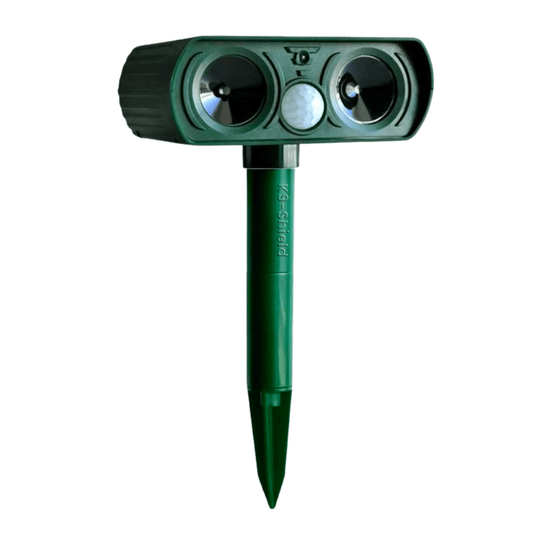
Ultrasonic pigeon repellers are compact electronic devices that emit high-frequency sound waves; inaudible to humans but irritating to pigeons. By making an area acoustically uncomfortable, they discourage birds from nesting or lingering.
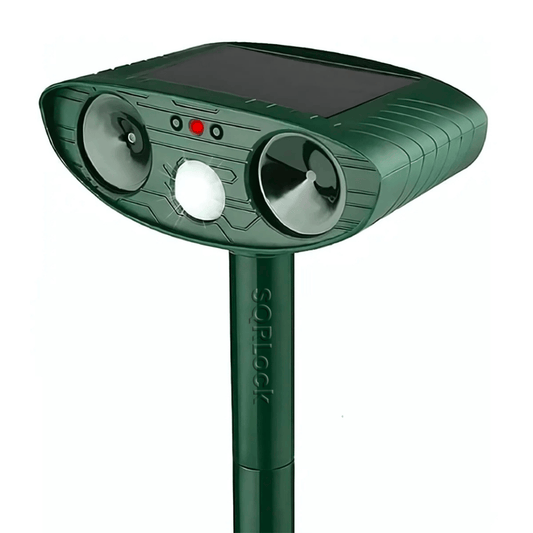
Lightweight and easy to install, these units can be placed on balconies, rooftops, or gardens. They run on batteries, mains power, or solar panels, and some feature motion sensors to activate only when pigeons are near; saving energy and reducing unnecessary noise.
How do ultrasonic pigeon repellers work?
➡️ These devices emit ultrasonic frequencies above 20 kHz, inaudible to humans but disturbing to pigeons.
➡️ The sound is projected through built-in speakers, covering areas from a few to several dozen feet, depending on the model’s power.
➡️ Some advanced versions combine ultrasound with flashing lights or predator sounds for stronger deterrence.
➡️ The result is an invisible, contact-free barrier that quietly keeps pigeons away — unlike spikes or nets, it protects your space without changing its appearance.
What scientific studies say about ultrasonic pigeon repellers?
Research on the effectiveness of ultrasound for bird control has produced somewhat mixed results. A study published in the journal Applied Animal Behaviour Science showed that ultrasonic devices can temporarily alter bird behavior, but pigeons may eventually get used to them. Still, it remains an effective way to keep pigeons away.
Ultrasonic repellents can therefore deter pigeons, but over time, the birds may end up ignoring the sounds—especially if the device does not offer a variable frequency range.
Best ultrasonic pigeon repellers on the market
1. PigeonChaser – An outdoor ultrasonic pigeon repellent

When it comes to protecting balconies, rooftops, or gardens from pigeons, the PigeonChaser by Sonic Barrier stands out as one of the most reliable ultrasonic pigeon deterrents on the market. Designed to target pigeons without harming them, it uses a dual-action approach: bright LED flashes combined with targeted ultrasound to make balconies, gardens, and barns less comfortable for pigeons. It offers a humane, discreet, chemical-free way to help discourage pigeons from perching or nesting in unwanted areas, making it a practical choice for homeowners, building managers, or anyone looking to keep outdoor spaces cleaner without toxic chemicals or heavy barriers.
Product Overview
- Dual-Action Deterrent: Combines bright LED flashes with ultrasound tuned toward the upper edge of pigeon hearing, designed to make the area less inviting to pigeons.
- Coverage Area: Best suited to small and medium outdoor areas, covering 20–25 ft within a 90° angle.
- Power Options: Solar panel plus USB-rechargeable battery for day-and-night operation, with up to 6 months of battery autonomy.
- Weatherproof Build: IP64-rated for outdoor use, with resistance to dust and rain.
- Smart Detection: A PIR motion sensor activates the device only when birds approach, conserving energy and helping reduce habituation.
-
Mounting Flexibility: Lightweight design with stake and wall-hook options for easy installation on ledges, walls, or fences.
⭐ Performance Ratings
- Ease of Installation: ★★★★☆ 8.5/10
- Build Quality: ★★★★★ 9/10
- Value for Money: ★★★★★ 9/10
-
Coverage and Features: ★★★★☆ 8.5/10
2. ZeroBird – A multi-mode ultrasonic pigeon repellent

For those dealing with persistent pigeon activity, the ZeroBird by Sonic Barrier offers a multi-mode approach. Rather than relying on sound alone, this ultrasonic bird deterrent combines flashing red and white LED lights with ultrasound and variable frequency settings, layering several deterrents so birds are less likely to settle or grow used to it. Its weather-resistant build makes it well-suited to year-round outdoor use. Whether you're dealing with rooftops, ledges, or patios, the ZeroBird is designed to help discourage pigeons and reduce the chance of them adapting over time.
Product Overview
- Triple-Action Deterrent: Motion-activated red and white LED flashes as the primary deterrent, with a secondary ultrasonic layer and variable frequency settings intended to reduce habituation.
- Coverage Area: Reaches up to 25 ft with a wide 110° detection angle, suited to ledges, gardens, and rooftop edges.
- Dual Power Options: Solar panel plus USB charging for day-and-night operation, including in lower-sunlight conditions.
- Weatherproof Build: IP45-rated, with a reinforced ABS casing resistant to rain, dust, and sun.
- Smart Detection: Infrared motion detection activates the device only when birds approach.
- Multi-Sensory Design: Combines LED flashes with ultrasonic waves to target more than one of a bird's senses.
- Mounting Flexibility: Compact design with stake and wall-mount options for fences, ledges, or ground placement.
⭐ Performance Ratings
- Ease of Installation: ★★★★★ 9/10
- Build Quality: ★★★★☆ 8/10
- Value for Money: ★★★★☆ 8.5/10
-
Coverage and Features: ★★★★☆ 8.5/10
Pros and cons of ultrasonic pigeon repellers
Like any pest control method, ultrasonic pigeon repellers come with both advantages and limitations. Understanding these points clearly will help you decide if they are a good fit for your situation.
✅ Pros of Ultrasonic Pigeon Repellers
- Non-invasive solution: No need to install spikes, nets, or other visible barriers.
- Humane approach: Designed to deter without harming pigeons physically.
- Low maintenance: Once installed, they usually require little upkeep beyond battery replacement or charging.
- Easy installation: Most models are lightweight and portable, making them quick to set up on balconies, gardens, or rooftops.
- Low disturbance to people: The frequencies are inaudible to most adults, so it won't intrude on daily life.
❌ Cons of Ultrasonic Pigeon Repellers
- Possible habituation of pigeons: Birds often become accustomed to the sound and return to the area.
- Limited coverage: Sound waves may not travel effectively around corners, walls, or large open spaces.
- Weather sensitivity: Outdoor use can be affected by wind, rain, or background noise, reducing performance.
Are ultrasonic pigeon repellers worth it?
Deciding whether to invest in an ultrasonic pigeon repeller depends largely on your expectations, the severity of your pigeon problem, and the type of environment you are trying to protect.
When they may be a good fit
- Light infestations: If you’re dealing with a few pigeons occasionally landing on a balcony or windowsill, an ultrasonic repeller might provide enough disturbance to discourage them.
- Aesthetic concerns: For those who want to avoid the visible look of spikes or nets, ultrasonic devices can be appealing as they remain hidden.
- Short-term relief: They may be useful for temporary protection, such as deterring birds while cleaning or carrying out outdoor activities.
- Small spaces: Balconies, patios, or compact garden areas are more suited to the limited range of these devices.
When to consider alternatives instead
- Persistent infestations: In areas with heavy pigeon activity, ultrasonic sound alone may provide limited long-term results. That’s why many people combine it with other deterrents, like our bird spikes to block perching, netting to seal off nesting spots, or our reflective device to create visual disruption. That makes it much harder for pigeons to adapt.
- Large or open environments: Warehouses, rooftops, and wide outdoor spaces usually require stronger measures like netting, bird spikes, or electrified tracks.
Alternatives to ultrasonic pigeon repellers: What else works
If ultrasonic devices don’t provide the results you expect, it’s worth exploring what repel pigeons over the longer term. Several other approaches can help keep pigeons away, varying in cost, visibility, and effort, with some offering more durable results.
Natural repellents for pigeons
If you’re looking for affordable and eco-friendly ways to keep pigeons away, natural repellents are a good place to start. They rely on scents and tastes pigeons dislike, offering a gentle and humane approach.
- Vinegar sprays: Their strong odor can help keep pigeons away for a while, which partly answers the question many people ask: "Does vinegar repel pigeons?".
- Chili powder: Its spiciness discourages pigeons from landing or pecking.
- Essential oils (like peppermint): Create a scent humans enjoy but pigeons avoid.
Apply these natural mixtures on ledges, balconies, or window sills to deter pigeons effectively. However, their effect is temporary and requires regular reapplication. They’re best suited for small areas or for people who prefer natural, chemical-free methods.
Visual deterrents for pigeons

Objects that mimic predators can help deter pigeons from landing. For instance, Sonic Barrier’s SilentOwl uses the familiar "fake owl" approach, with a lifelike design intended to appeal to pigeons' instinct to avoid potential threats. Repositioning it from time to time helps keep birds from habituating to it.

Simple DIY tricks like reflective tape, hanging CDs, or metallic streamers can also help, but their effect fades quickly. For lasting impact, options like the SpinScarer use rotating movement and reflective panels to create unpredictable flashes of light — a dynamic deterrent pigeons struggle to ignore.
Physical barriers for pigeons

Barriers are generally the most reliable way to keep pigeons out of a space, since they block access physically. Bird spikes like the “BirdRail” make it impossible for them to perch comfortably, while nets block entry to ledges, balconies, or warehouse ceilings. Though more visible than ultrasonic devices, these methods deliver consistent, long-term protection and are often the go-to solution for businesses and buildings with serious infestations.
Other commercial deterrents for pigeons

Beyond physical and natural methods, there are specialized products designed specifically for pigeon control. Gel repellents, for instance, create a sticky surface that birds dislike landing on. Sound-based deterrents using distress calls or predator noises can also be more effective than ultrasonic frequencies. Motion-activated sprinklers like JetSentinel or flashing light systems are additional tools that rely on startling pigeons and breaking their routine.
FAQ
Is it legal to use ultrasonic pigeon repellers in all U.S. states and cities?
Yes, ultrasonic pigeon repellers are generally legal across the United States because they are marketed as humane, non-lethal deterrents. However, local ordinances can differ, especially in historic districts or residential areas with strict noise or building regulations. While the devices themselves are generally inaudible to most humans, some communities require approval before installing bird control systems on visible structures. It is always best to check your city’s specific pest control and wildlife management guidelines before use.
What is the best ultrasonic pigeon repeller on the market?
No single pigeon repeller works perfectly in every situation. The results often depend on how large your space is, how persistent the pigeons have become, and how the device is set up. Still, the PigeonChaser from Sonic Barrier is one of the most reliable options on the market. In addition to basic sound-only units, many advanced models combine ultrasonic waves with flashing lights or predator calls to deliver a stronger deterrent effect. For outdoor areas like gardens or balconies, solar-powered devices with motion sensors like ZeroBird add extra convenience.
How far do ultrasonic pigeon repellers actually reach in real conditions?
Manufacturers often advertise ranges of 30 to 80 feet, but real-world performance is usually more limited. Obstacles such as walls, trees, or even balcony railings can block or absorb the sound waves, reducing coverage significantly. In practice, many users report effective reach closer to 10–20 feet in open areas. For larger or irregular spaces, multiple units are often required to create consistent coverage and prevent pigeons from finding “quiet spots” to perch.
How to use ultrasonic pigeon repellers effectively?
Placement is critical for achieving results. Position the device in the direct line of sight of the area where pigeons land most often, ensuring that no major obstacles block the sound waves. Running it in motion-sensor mode can improve results, since the unpredictable activation surprises pigeons and helps reduce how fast they get used to it. Regularly changing the angle or location of the device also helps. Combining ultrasonic repellers with other deterrents, like our visual owl decoy deterrent or our physical barriers (our anti-pigeon spikes or our reflective visual deterrent), strengthens long-term success.
Can ultrasonic pigeon repellers be used together with reflective tape or spikes for better results?
Yes, combining methods often delivers more consistent results than relying on a single method. Reflective tape creates visual disturbance, while spikes or nets prevent perching. Adding ultrasonic noise into the mix makes the environment even less attractive for pigeons, giving you layered protection. This integrated approach is especially useful in areas with persistent infestations, where a single deterrent may not be enough. The goal is to make the location uncomfortable and unpredictable from multiple angles.
Are ultrasonic pigeon repellers safe for pets and children?
These devices are generally considered low-risk. The frequencies sit above the range most adults can hear, though some children or people with sensitive hearing may notice them. Keep in mind that cats and dogs can also hear ultrasonic frequencies, so a device placed near where they rest or feed may bother them, even though it isn't designed to harm them. Smaller animals, particularly rodents, hamsters, or rabbits, can be especially sensitive to high-frequency sound, so it's wise to avoid placing these devices near areas where small pets live indoors. As with any electronic device, make sure it's installed securely, out of reach of children, and used according to the manufacturer's instructions.
Do pigeons eventually get used to ultrasonic devices?
Yes, habituation is one of the main limitations of ultrasonic deterrents. Pigeons are intelligent and adaptable birds. If the sound is constant and there are no additional deterrents or real threats, they often learn to ignore it over time. This is why many experts recommend using ultrasonic repellers as part of a broader strategy, alternating their placement, or combining them with visual or physical barriers. Variety and unpredictability are key to keeping the deterrent working over time.