

Wasps are among the most unwelcome guests around any home, and getting rid of them for good requires more than just swatting them away. This guide walks you through the most effective methods to repel wasps, for real.

What Attracts Wasps to Your Property
Understanding what draws wasps to your property is the first step to keeping them away. Once you know what they are after, you can take action before they even think about settling in.
- Food and sweet smells: Wasps are attracted to sugary drinks, fruits, and open food left outside.
- Proteins: During summer, they actively seek meat and fish to feed their colonies.
- Garbage bins: Uncovered bins are a reliable food source that wasps will return to repeatedly.
- Standing water: Like most insects, wasps need water and will gravitate toward birdbaths, puddles, or clogged gutters.
- Bright flowers and gardens: Wasps are pollinators too, so colorful blooms can draw them in.
- Sheltered spots: Eaves, wall cavities, garden sheds, and roof spaces offer the perfect conditions for building a nest.
- Other insect populations: A yard rich in smaller insects provides wasps with an easy protein supply.
Commercial Solutions to Repel Wasps
Commercial products offer reliable and tested solutions for repelling wasps. Here is a breakdown of the most effective options available on the market today.
Decoy Nests

Wasps are territorial by nature and will avoid building a nest near an existing one. A decoy nest mimics the look of a real wasp nest and signals to newcomers that the space is already taken. Simply hang one under your eaves, porch, or pergola before wasp season begins. It is one of the most passive and affordable preventive tools you can use.
Wasp Repellent Sprays

Repellent sprays create a chemical barrier that wasps find hostile and will avoid. You can apply them around windows, doorframes, and any area where wasps tend to hover. Look for sprays containing active ingredients like geraniol or clove oil for a less toxic option, or go for synthetic formulas for stronger protection. Reapplication is key, especially after rain.
Ultrasonic Wasp Repellent Devices

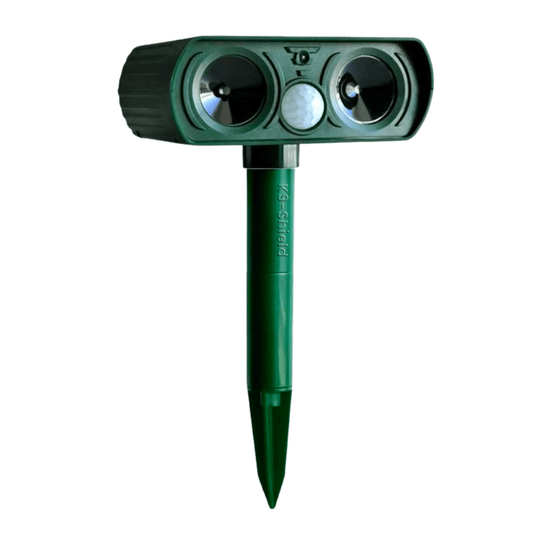
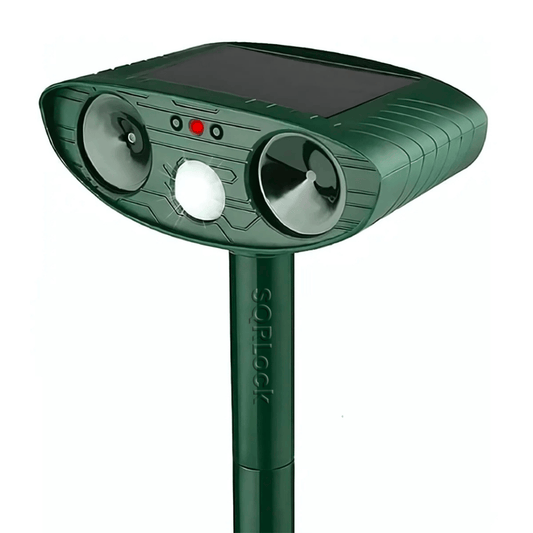
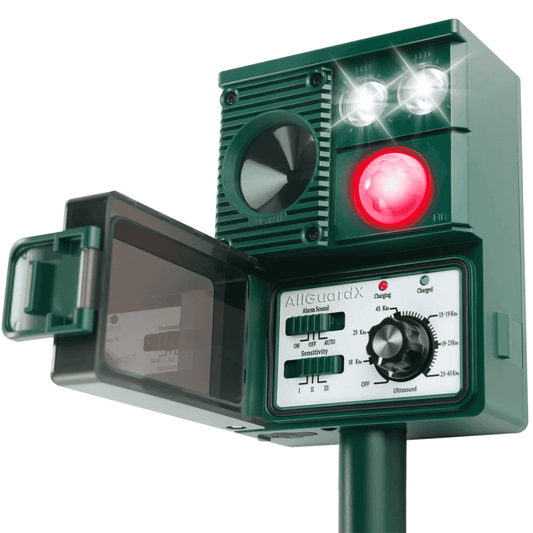
These devices emit high-frequency sound waves that are inaudible to humans but highly disruptive to wasps. Simply plug one in or place it outdoors near problem areas. They work continuously without any chemicals or maintenance, making them a clean and convenient option for homeowners who want ongoing protection with minimal effort.
Wasp Traps vs Repellents: When Repellents Aren't Enough
If you are dealing with high activity or a nearby nest, a wasp trap becomes necessary. Traps lure and capture wasps using bait, reducing the active population around your home. For a solution that combines ease of use with real results, the wasp trap BuzzBlock from Sonic Barrier is worth considering. Besides, it's mentioned in the top list in this guide of the best wasp and hornet traps. Designed to target wasps effectively, it offers a practical complement to your repellent strategy.
Scents That Repel Wasps
Wasps have a strong sense of smell, and certain scents are known to drive them away. Using the right fragrances around your home is one of the simplest and most natural ways to repel them.
Essential oils that repel Wasps

A few drops of the right essential oil can make your outdoor space far less inviting to wasps:
- Peppermint oil: One of the most effective options, wasps strongly dislike its sharp, intense scent.
- Clove oil: Works well on its own or blended with other oils for a stronger effect.
- Geranium oil: A pleasant smell for humans but highly repellent to wasps.
- Lemongrass oil: Keeps wasps away while adding a fresh, citrusy scent to your space.
- Eucalyptus oil: Its powerful aroma creates an environment that wasps prefer to avoid.
- Tea tree oil: Another strong-scented option that wasps find deeply off-putting.
To use them, mix a few drops with water in a spray bottle and apply around windows, doorframes, and outdoor seating areas.
Household smells that keep wasps away

You may already have some of the best wasp deterrents sitting in your kitchen or garden:
- White vinegar: Its sharp, acidic smell confuses and repels wasps effectively.
- Cinnamon: Sprinkle it around areas where wasps gather to discourage them from returning.
- Garlic: A strong natural deterrent, crush a few cloves and place them near entry points.
- Coffee grounds: Burning used coffee grounds produces a smoke-like smell that wasps dislike.
- Cucumber peels: A surprisingly effective option, their bitter scent is unappealing to wasps.
- Citrus peels: Rub them along windowsills or leave them near outdoor areas for a simple, natural barrier.
Plants That Naturally Repel Wasps
Beyond their repellent properties, these plants also add beauty and fragrance to your outdoor space.
Herbs for repelling wasps

Some common herbs turn out to be surprisingly powerful wasp deterrents, making them a smart and practical addition to any garden:
- Mint: Its intense aroma is one of the most reliable natural wasp repellents. Plant it in pots near entrances or seating areas.
- Basil: A kitchen staple that wasps cannot stand. Place pots on outdoor tables or windowsills for double duty.
- Wormwood: A particularly strong deterrent due to its bitter compounds. Works well planted along garden borders.
- Thyme: Its earthy scent keeps wasps away while attracting beneficial pollinators like bees.
- Lemongrass: Grows in warm climates and releases a citrusy fragrance that wasps find repelling.
- Rosemary: A robust, woody herb whose sharp scent creates a natural barrier around your home.
Flowers that deter wasps

Certain flowering plants are just as effective at discouraging wasps while keeping your garden looking vibrant.
- Marigolds: Their pungent scent is widely known to repel a variety of insects, such as wasps.
- Geraniums: Particularly red varieties, which wasps tend to avoid due to their strong fragrance.
- Pennyroyal: A low-growing plant with a powerful minty scent that wasps find unwelcoming.
- Eucalyptus: Plant it as a shrub or keep it in a pot, and its sharp scent will do the rest.
- Pitcher plants: A more unusual option that actually traps and digests wasps.
- Wormwood flowers: Beyond the herb itself, its flowering form continues to repel wasps throughout the season.
Want protection that actually eliminates wasps, not just scares them off? Try our wasp trap today.
Homemade Recipes To Repel Wasps

Making your own wasp repellent at home is easier than you might think. With a few basic ingredients, you can put together effective solutions that work just as well as many store-bought products.
- Peppermint oil spray: Mix 15 drops of peppermint essential oil with water in a spray bottle. Apply around doorframes, eaves, and outdoor furniture regularly.
- Vinegar and water spray: Combine equal parts white vinegar and water. Spray directly around areas where wasps tend to hover or gather.
- Clove, geranium, and lemongrass blend: Mix 5 drops of each essential oil with water and a few drops of dish soap to help it stick. This combination is particularly powerful against wasps.
- Garlic water spray: Crush several garlic cloves and let them soak in water overnight. Strain and spray around entry points and outdoor spaces.
- Citrus peel boil: Boil citrus peels in water for 15 minutes, let them cool, then pour it into a spray bottle. Use it along windowsills and garden borders.
- Cinnamon and water paste: Mix ground cinnamon with a small amount of water to form a paste. Apply it around nest-prone areas like eaves or shed corners.
- Dish soap and water trap: Fill a bowl with sugar water and a few drops of dish soap. The soap breaks the surface tension, trapping the wasps.
How to Prevent Wasps from Coming Back
Repelling wasps is a good start, but keeping them away for good takes a little more effort and a few consistent habits.
Sealing Entry Points
Wasps are opportunistic nesters and will squeeze into surprisingly small gaps to build their home. Walk around your property and inspect carefully for any cracks in walls, gaps around pipes, loose roof tiles, or open vents. Seal them with caulk or foam filler as soon as you spot them. For ongoing protection around your outdoor spaces, pairing this with a device like the BuzzBlock adds an extra layer of defense, actively discouraging wasps from even approaching your home in the first place.
Remove Food and Water Sources That Attract Wasps

Wasps are persistent foragers, and if your yard offers easy access to food or water, they will keep returning.
- Always cover outdoor food and drinks, especially sweet beverages and meat.
- Use bins with tight-fitting lids and empty them regularly.
- Clean up fallen fruit from trees or bushes promptly.
- Empty birdbaths, fix dripping taps, and clear standing water wherever it collects.
- Rinse recycling containers before putting them out, as sugary residue is a strong attractant.
Keep Surface Clean

A clean outdoor space sends a clear signal that there is nothing worth staying for.
- Wipe down garden tables and chairs after every use, as food residue is enough to draw wasps in.
- Sweep patios and decking regularly to remove crumbs and sticky spills.
- Clean your bins and the area around them frequently to eliminate lingering food smells.
- Store pet food indoors and never leave it sitting outside unattended.
- Check under outdoor furniture and in sheltered corners regularly, as wasps scout for nesting spots early in the season.
How to Keep Wasps Away from Specific Areas of Your Home
Wasps tend to target specific spots around your home more than others. Knowing how to protect each area individually makes your overall strategy far more effective.
How to repel wasps from your patio and deck
Place potted mint or basil on your patio table and spray peppermint oil around the perimeter of your deck. Hang a decoy nest nearby and avoid leaving food or drinks uncovered. These simple steps make your patio a far less attractive destination for passing wasps.
How to repel wasps from your porch and eaves
Eaves and porch ceilings are prime nesting spots. Inspect them regularly at the start of the season and seal any gaps you find. Spray a clove and geranium oil blend along the ceiling edges, and consider hanging a decoy nest to signal that the space is already occupied.
How to keep wasps away from your pool or garden
Wasps are drawn to water and garden blooms. Plant marigolds or wormwood around the pool area and spray citrus or eucalyptus oil along the borders. Keep pool water clean and remove any standing water nearby, as even small puddles are enough to attract them.
How to repel wasps while eating outside
Cover food and drinks at all times and avoid sweet-smelling candles or perfumes during outdoor meals. Set up a decoy food source, like a small piece of fruit placed away from the table, to draw wasps in a different direction. A nearby peppermint spray adds extra protection.
When to Call a Professional to Repel Wasps
Sometimes, the situation goes beyond what household remedies or commercial products can handle. If you spot a large nest, notice wasp activity inside your walls, or find yourself dealing with an aggressive species like hornets, it is time to call a pest control professional. Attempting to remove an established nest on your own can be dangerous. A professional has the right equipment and expertise to deal with it safely and permanently.
FAQ
What can instantly repel wasps?
Peppermint oil spray is one of the fastest-acting natural options. Apply it directly around the area, and wasps will typically leave within minutes. For immediate, commercial-grade results, the wasp trap from Sonic Barrier offers continuous protection that starts working right away, with no spraying or reapplication needed.
What are the best natural methods to repel wasps?
The most effective natural approaches to repel wasps combine several strategies. Plant mint, basil, or marigolds around your outdoor spaces, use essential oil sprays regularly, and hang a decoy nest near common entry points. Keeping your yard clean and free of food sources reinforces all of these efforts and makes a real difference over time.
What smell repels wasps the most?
Peppermint is widely considered the strongest scent-based deterrent for wasps. Clove, geranium, and lemongrass are also highly effective, especially when combined into a single spray. These smells interfere with wasps' ability to navigate and communicate, making your space feel hostile and unwelcoming to them.
Does peppermint oil really repel wasps?
Yes, and it is one of the most well-supported natural remedies available. Studies have shown that peppermint oil is particularly effective at deterring wasps from building nests. Mix 15 drops with water in a spray bottle and apply it around doorframes, eaves, and outdoor furniture for noticeable results.
Does lavender repel wasps?
Lavender has a mixed reputation when it comes to wasps. While its scent can deter some insects, wasps are actually less sensitive to it than to oils like peppermint or clove. That said, planting lavender in your garden still contributes to a less attractive environment for wasps, particularly when combined with stronger deterrents.
Does cinnamon repel wasps?
Yes, cinnamon is a surprisingly effective deterrent. Wasps dislike its strong, spicy aroma and will tend to avoid areas where it is present. Sprinkle ground cinnamon around outdoor seating, windowsills, or known nest-prone spots. For best results, reapply after rain or every few days to maintain its potency.
Does vinegar repel or attract wasps?
This one depends on how you use it. White vinegar, with its sharp, acidic smell, acts as a repellent when sprayed around your home. However, apple cider vinegar is actually used as bait in wasp traps because its sweet-sour scent attracts them. Always use white vinegar for repelling purposes.
Are commercial wasp repellents safe to use around pets and children?
It depends on the product. Always read the label carefully before use. Many natural-based sprays using essential oils are generally considered safer, but even these should be kept away from direct contact with young children or pets. When in doubt, opt for physical deterrents like decoy nests or ultrasonic devices, which carry no chemical risk.
How to get rid of wasps for good?
There is no single magic solution for getting rid of wasps for good, but combining several methods consistently delivers the best long-term results. Seal entry points, remove food and water sources, use repellent plants and sprays, and back it all up with a reliable device like the BuzzBlock for ongoing protection. For serious infestations, do not hesitate to bring in a professional. Consistency is what keeps wasps away for good.