

They appear suddenly, multiply quickly, and often seem impossible to eliminate for good. If you’re dealing with gnats, quick fixes won’t be enough. This guide focuses on practical solutions that target the real source of the problem and help you get rid of gnats for good.

What Are Gnats?
Gnats are small flying insects commonly found indoors and outdoors, especially in warm and humid environments. Although often mistaken for fruit flies or mosquitoes, gnats are a broader group of tiny pests that grow where moisture, organic matter, and food sources are present. Understanding the specific type of gnat you’re dealing with is essential, as each one requires a slightly different approach to eliminate effectively.
Main types of gnats you may encounter:
- Fungus gnats: Common around houseplants; their larvae live in moist soil and feed on organic matter.
- Fruit flies: Attracted to ripe fruit, sugary residues, and fermenting food in kitchens.
- Drain gnats (moth flies): Breed inside drains and pipes where organic buildup accumulates.
Why You Have Gnats in Your Home

Gnats rarely appear by chance. Their presence is almost always linked to specific conditions that provide food, moisture, and a safe place to reproduce. Once those conditions exist, gnats can multiply quickly and spread from one area of your home to another.
The most common reasons gnats invade your home include:
- Excess moisture from overwatered houseplants, leaking pipes, or humid rooms.
- Organic matter buildup such as food scraps, rotting fruit, or residue in trash cans.
- Dirty or slow drains where grease, soap, and debris create an ideal breeding environment.
- Standing water in sinks, trays, plant saucers, or pet bowls.
- Poor ventilation in kitchens, bathrooms, or basements that traps humidity.
- Entry points like open windows, doors, or damaged screens that allow gnats to get inside easily.
Natural Methods to Get Rid of Gnats (Homemade Gnat Traps)
Homemade gnat traps are often the first solution people try. When used correctly, they can significantly reduce adult gnat populations. While they won’t solve the root cause on their own, they are effective tools for quickly lowering visible gnat activity.
Apple Cider Vinegar Trap

How to do it: Pour apple cider vinegar into a small bowl or glass. Add a few drops of dish soap, then cover the container with plastic wrap. Poke a few small holes in the wrap using a toothpick and place the trap near sinks, trash bins, or fruit bowls.
How it works: Fruit flies are drawn to the fermented smell of vinegar. The dish soap breaks the liquid’s surface tension, causing the gnats to sink and drown once they land.
Wine Bottle Trap

How to do it: Leave a small amount of red wine or old wine at the bottom of a bottle. Tilt the bottle slightly and place it near areas where gnats are most active. For better results, create a paper funnel and insert it into the bottle neck.
How it works: Gnats are attracted to the wine’s fermentation aroma. Once inside, the narrow opening makes it difficult for them to escape, trapping them inside the bottle.
Candle Trap

How to do it: Place a candle in the center of a shallow bowl filled with water. Light the candle in a dark room where gnats are present, preferably in the evening, and leave it undisturbed for a short period.
How it works: Gnats are drawn to the warmth and light of the flame. As they approach, many fall into the surrounding water and are unable to escape.

Other options to get rid of Gnats: Commercial Gnats Traps and Killers
Commercial gnat traps and killers can provide faster, more targeted results. These solutions are designed to work continuously, making them especially useful for persistent infestations or areas where gnats keep coming back despite your efforts.
Sticky Gnat Traps

Simple, discreet, and effective, sticky gnat traps are ideal for quickly regaining control of gnats around plants. Products like StickyPlant are discreet adhesive cards designed to blend naturally into plant pots without disrupting your interior. They work by capturing adult gnats as they fly or land near soil surfaces. While they don’t eliminate larvae, sticky traps are excellent for breaking the reproductive cycle and giving you a clear visual indication of how severe the infestation really is.
UV / Light Gnat Traps

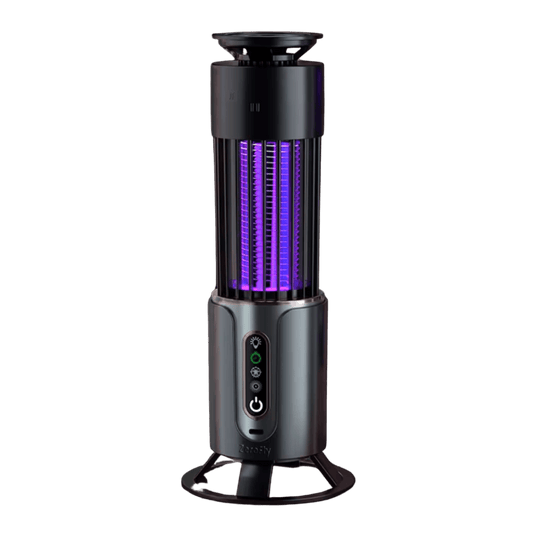
UV light gnat traps attract gnats using specific light wavelengths that flying insects instinctively follow. Devices such as UVeeTrap (which is actually among the best gnat traps on the market) are effective in kitchens, living rooms, and bedrooms when placed away from competing light, where chemical sprays are not ideal. Gnats are drawn toward the light source and then trapped or neutralized inside the device. These traps operate quietly, work continuously, and are well suited for ongoing control rather than quick, short-term fixes.
Electric Gnat Zappers

For heavier infestations or larger indoor spaces, electric gnat zappers like ZeroFly (one of the best gnat killers on the market) offer a more active solution. These devices attract gnats using light and kill them on contact through an electrified grid. These electric gnat zappers are effective for quickly reducing adult gnat populations, especially when gnats are actively flying around open areas. They are best used alongside preventative measures to avoid reinfestation.
Flying Insect Bait Traps
Bait traps rely on attractants (often food-based or pheromone-style lures) to draw gnats inside a sealed container. Once inside, they cannot escape.These traps are useful for localized infestations, such as near trash areas or food storage zones. However, placement is crucial. When positioned incorrectly, bait traps can sometimes attract more gnats than they capture.
Anti-Gnat Sprays

Anti-gnat sprays provide quick relief by killing gnats on contact. They can be effective for spot treatments around windows, trash bins, or entry points. That said, sprays should be used cautiously indoors. They do not address breeding sites and are best viewed as a short-term solution rather than a long-term strategy. For lasting results, sprays should always be combined with traps and proper sanitation.
Comparison Table: Commercial Gnat Traps and Killers
A Step-by-Step Guide to Get Rid of Gnats
Getting rid of gnats requires more than killing the ones you see. Follow these steps in order for the most reliable and long-lasting results.
Step 1: Identify the Exact Source
Start by observing where gnats gather most often. Check houseplant soil, kitchen counters, trash bins, drains, and bathrooms. Gnats tend to stay close to their breeding area, so clusters usually point directly to the source.
Step 2: Eliminate Moisture and Organic Matter
Reduce watering on indoor plants and allow soil to dry out between waterings. Empty standing water from saucers, sinks, and pet bowls. Clean up food residue, overripe fruit, and organic waste that may attract gnats.
Step 3: Kill Larvae at the Source
For fungus gnats, treat plant soil with natural solutions such as diluted hydrogen peroxide or allow the soil surface to dry completely. For drain gnats, scrub pipes with a drain brush and flush with boiling water or enzyme-based cleaners.
Step 4: Trap and Eliminate Adult Gnats
Use homemade traps or commercial solutions to reduce the flying population quickly. Sticky traps, UV traps, or electric zappers are especially effective when placed near breeding areas and high-traffic zones.
Step 5: Deep Clean Key Areas
Wipe down surfaces, disinfect trash cans, clean drains, and vacuum areas where gnats tend to rest. This removes invisible residues and eggs that could restart the infestation.
Best Ways to Get Rid of Gnats by Area
Gnats don’t behave the same way in every part of your home. Targeting gnats based on where they appear allows you to act faster and prevent them from spreading to other rooms.
How to Get Rid of Gnats in the Kitchen

Kitchens attract gnats mainly because of food residues and moisture. Start by removing ripe fruit, wiping down counters, and emptying trash bins daily. Clean sink drains thoroughly, as organic buildup is a common breeding site.
To reduce adult gnats quickly, a UV light trap such as UVeeTrap works well when placed near sinks or food preparation areas, providing continuous control without chemicals. Apple cider vinegar traps can also help lower activity while you address the root cause.
How to Get Rid of Gnats in Houseplants

Houseplants are the primary target for fungus gnats, especially when soil remains damp. Allow the top layer of soil to dry between waterings and empty excess water from saucers.
Using sticky gnat traps like StickyPlant placed directly in the soil is one of the most effective ways to catch adult gnats before they lay eggs. This method works best when combined with proper watering habits to stop larvae from developing.
How to Get Rid of Gnats in Bathrooms

Bathrooms provide warmth and humidity, making them ideal for drain gnats. Scrub drains and pipes to remove organic residue, then flush with hot water or an enzyme cleaner to destroy larvae. Keeping ventilation running after showers also reduces moisture that attracts them in the first place.
How to Get Rid of Gnats in Living Rooms and Bedrooms
Gnats in living areas usually migrate from kitchens or plants. Vacuum window sills, clean surfaces regularly, and eliminate any hidden moisture sources.
For larger spaces or visible flying activity, an electric gnat zapper can quickly reduce adult populations. In plant-filled rooms, adding sticky traps near pots helps prevent gnats from spreading further.
How to Prevent Gnats From Coming Back
Once gnats are under control, prevention becomes the most important step.
Daily Habits That Stop Gnats
- Wipe down kitchen counters and dining surfaces after every meal
- Store fruit in sealed containers or in the refrigerator
- Empty trash bins regularly and clean them weekly
- Avoid leaving dirty dishes in the sink overnight
- Dry sinks, drains, and sponges after use
- Water houseplants only when the soil surface is dry
- Remove standing water from plant saucers and pet bowls
Gnat-Proofing Your Home Long Term
- Fix leaking pipes, faucets, and under-sink connections
- Improve ventilation in kitchens, bathrooms, and basements
- Deep-clean drains monthly to prevent organic buildup
- Use sticky traps in plant pots as an early warning system
- Install screens on windows and seal small entry points
- Maintain consistent cleaning routines in high-risk areas
Expert Tips to Effectively Get Rid of Gnats
These expert-backed tips help you avoid common mistakes and speed up results, especially when gnats keep reappearing.
- Focus on the source, not just the symptoms: Killing flying gnats without treating breeding areas only delays the problem. Always address moisture and organic buildup first.
- Be patient with traps: Most traps need 24–72 hours to show full results. Moving them too often reduces their effectiveness.
- Combine methods for better results: Using traps alongside proper cleaning and moisture control works far better than relying on a single solution.
- Avoid overwatering plants: Slightly dry soil is your best defense against fungus gnat larvae.
- Limit night lighting near windows: Light attracts flying insects and encourages gnats to gather indoors after dark.
- Monitor problem areas regularly: Even after gnats disappear, keep an eye on previous hotspots to catch early signs of a return.
Gnats don’t disappear by accident. They disappear when the right system is in place.
FAQ
How long does it take to get rid of gnats?
The timeline depends on the severity of the infestation and how quickly you eliminate the breeding source. In mild cases, you may see noticeable improvement within 2–3 days once traps are in place and moisture is controlled. Heavier infestations usually take 1–2 weeks to fully resolve, especially when larvae are present. Consistency is key.
How can you find the source of a gnat infestation?
Start by observing where gnats gather most frequently. They usually stay close to their breeding site. Check moist houseplant soil, sink and shower drains, trash bins, and areas with standing water. If gnats appear near plants, fungus gnats are likely the cause. Near sinks or showers, drains are often responsible. The highest concentration almost always reveals the source.
What is the fastest way to get rid of gnats?
The fastest way to get rid of gnats is to combine methods. First, remove the breeding source by drying soil, cleaning drains, or removing food residue. Then, use traps to reduce adult gnats. UV light gnat traps or electric gnat zappers like ZeroFly work quickly on flying gnats, while sticky traps help limit reproduction. This two-step approach tends to deliver quicker, longer-lasting relief.
What are the most effective natural ways to get rid of gnats?
Natural methods work best for light to moderate infestations. Apple cider vinegar traps, wine traps, and proper moisture control are highly effective when used correctly. Letting plant soil dry out, cleaning drains with boiling water, and removing organic debris significantly reduces gnat populations. While natural solutions won’t kill larvae instantly, they are safe, affordable, and reliable when combined.
Are there chemical treatments for getting rid of gnats?
Yes, chemical sprays and insecticides can kill adult gnats on contact, but they should be used cautiously indoors. Most chemicals do not address larvae and offer only short-term relief. For indoor environments, non-toxic solutions like UV traps or sticky traps are often safer and more practical. Chemicals are best reserved for severe infestations or outdoor use when necessary.
How do you get rid of gnat larvae?
Eliminating larvae is essential for lasting control. For fungus gnats, allow soil to dry and treat it with diluted hydrogen peroxide or biological solutions. In addition, using sticky gnat traps for plants helps capture adult gnats and limit egg-laying, thereby reducing larval proliferation. For drain gnats, scrub pipes to remove organic buildup and flush with boiling water or enzyme cleaners. Larvae thrive in moisture, so drying out breeding areas is the most effective long-term solution.
When is it time to call a professional to get rid of gnats?
If gnats persist after two weeks of consistent treatment, or if they keep returning despite cleaning and trapping, professional help may be needed. This is especially true when infestations originate from hidden plumbing issues or structural moisture problems. Professionals can identify concealed breeding sites and apply targeted treatments that aren’t accessible with standard home methods.