

Tired of finding paw prints, dug-up flower beds, or worse, surprises on your lawn? Whether it’s your neighbor’s dog or a stray, having dogs run loose in your yard can quickly become a frustrating problem. Fortunately, there are humane ways to help discourage them. In this guide, you'll discover practical methods to repel dogs from your yard, naturally and safely.
Tired of stray dogs taking over your yard? Try a discreet and humane alternative that can help.

Common reasons dogs enter your yard
Before choosing the right repellent, it's important to understand why dogs are drawn to your yard in the first place. Once you know the cause, you can choose a solution that targets the behavior at its source.
➡️ Irresistible scents: Barbecue leftovers, open trash cans, compost, or even pet urine can lure dogs in with strong smells.
➡️ Inviting terrain: Soft soil and open areas feel like perfect spots for digging or marking territory.
➡️ Easy access: Unfenced gardens or open gates make your yard an open invitation to explore.
➡️ Other animals: The presence of cats, squirrels, or birds can trigger a dog’s chase instinct.
➡️ Routine paths: Some dogs cut across the same yards out of habit until a deterrent breaks the pattern.
By pinpointing what attracts them, you'll be better placed to discourage their visits and help keep your yard less inviting over time.
⚠️ Why should you keep dogs out of your yard?
Giving dogs open access to your yard might seem harmless at first, but it can lead to a range of problems. Here’s why it’s important to keep them out:
- Protect your garden: Dogs love to dig, trample plants, and sniff around, often leaving a trail of destruction behind.
- Prevent unpleasant surprises: Dog urine can damage grass and flowers, while feces can pose hygiene risks and attract flies or other pests.
- Avoid health hazards: Some dog waste can carry parasites or bacteria that may be harmful to humans, especially children playing outside.
- Keep your pets safe: If you have pets, unfamiliar dogs can provoke fights or spread diseases.
- Reduce unwanted noise and stress: Barking, chasing wildlife, or territorial behavior can disturb the peace in your home and stress your animals.
-
Preserve property value and appearance: A yard that’s clean and well-kept is not just more enjoyable. It also helps maintain your home’s curb appeal.
How to repel dogs from your yard naturally?
If you're looking for eco-friendly ways to repel dogs, natural repellents are a good place to start. These methods rely on scents, plants, and simple household ingredients that many dogs tend to avoid. Let's explore a few practical solutions you can apply right at home.
Plants that naturally deter dogs

Certain plants can help deter dogs thanks to their strong aroma or texture. You can use them to create borders or fill in trouble spots around your yard.
- Rue: Known for its strong smell and bitter taste, which dogs and other animals tend to find unpleasant. Wear gloves when handling it, as it can irritate skin, and keep it away from spots where pets might chew on it.
- Lavender: Though pleasant to humans, many dogs dislike the potent fragrance.
- Coleus canina (also called “Scaredy Cat Plant”): Despite the name, many dogs dislike its skunky scent too.
- Citronella and lemongrass: Their citrusy oils are often used in repellents, and the plants themselves may help deter dogs.
Using natural smells that dogs hate

A dog's sense of smell is extremely sensitive, which makes certain smells particularly helpfull at repelling dogs. Here are a few options you can sprinkle or spray around your yard:
- Vinegar: The sour smell is off-putting to many dogs. Mix equal parts vinegar and water and spray it on surfaces where dogs frequent (avoid direct contact with plants).
- Citrus peels: Orange, lemon, or grapefruit peels scattered around the yard can act as a gentle deterrent.
- Coffee grounds: Used grounds have a strong smell that many dogs dislike, and also benefit your soil. Use sparingly, as caffeine can be harmful if ingested.
Always test a small area first to ensure your chosen scent doesn’t damage your plants or soil.
Making DIY dog repellent

Want a homemade solution that's affordable and low-cost? Try making your own dog deterrent spray:
Simple recipe:
- 1 cup of white vinegar
- 1 cup of water
- 2 tablespoons of lemon juice or peppermint oil
Mix in a spray bottle and apply it around entrances, flower beds, or known “hot spots.” Reapply after rain or watering.
For digging issues, you can try mixing a little cayenne pepper or mustard powder into the soil, but use sparingly and with caution, as it can irritate a dog's eyes, nose, or paws.
These DIY methods are useful if you want to avoid harsh chemicals while still sending a clear "keep out" message to visiting dogs.
Physical barriers that repel dogs
Natural methods can work well, but sometimes you need a more direct way to block access, especially if dogs are persistent visitors. Physical barriers offer a durable way to keep them out of your yard without causing harm, particularly when properly installed and maintained. Here are some options to consider.
Fences (Traditional or Electric)

A good old-fashioned fence is one of the more dependable ways to keep dogs out. A wooden or vinyl fence at least 4 to 6 feet tall can discourage most jumpers and diggers. Make sure there are no gaps underneath where smaller dogs can squeeze through. If you're dealing with especially stubborn dogs or live in a rural area, low-voltage electric fences (pet-safe models only) can create an invisible boundary. They're often used alongside training collars and should always be used responsibly, following the manufacturer's instructions.
Chicken wire or mesh

If dogs are digging under your fence or targeting specific garden spots, burying chicken wire or metal mesh a few inches below the soil can work well. The uncomfortable texture under their paws discourages them from continuing to dig. You can also lay mesh flat across flowerbeds and cover it lightly with mulch to protect plants while deterring intrusion.
Motion-activated sprinklers

These devices detect movement and release a short burst of water. Many dogs dislike sudden water jets, and the surprise is often enough to discourage them from coming back. They're also eco-friendly and double as watering tools for your garden. For best results, position them along common entry points or problem areas. If you're looking for one, consider the JetSentinel Water Sprinkler Animal Repellent by Sonic Barrier. It pairs motion-activated sensors with a water-based deterrent, making it a practical choice for driveways, gardens, and patios where dogs tend to sneak in.
Plastic or Metal Spikes

Plastic or metal spike strips (also called "anti-climb strips") are designed to feel uncomfortable underfoot rather than to injure the dog. You can place them on top of fences, along walls, or even on the ground in narrow walkways. They create a physical and sensory barrier that makes your yard less appealing to explore.
Commercial solutions to repel dogs from your yard
If natural or physical methods aren't enough, or you're looking for quicker, ready-to-use options, there are many commercial products designed to help repel dogs.
Ultrasonic dog repellents
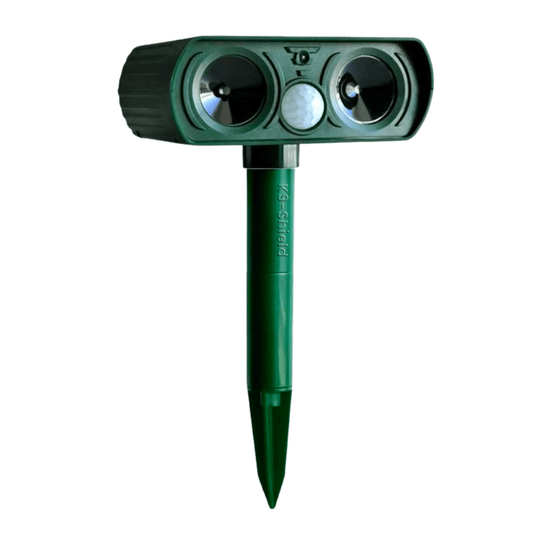
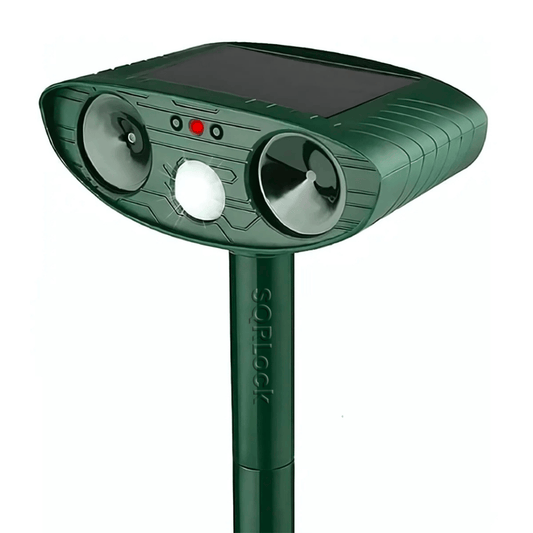
Ultrasonic repellents work by emitting high-frequency sound waves that many dogs find unpleasant but that are generally inaudible to most adults. These devices are usually motion-activated, triggering a burst of ultrasonic sound when a dog enters the detection zone. Many dogs come to associate the noise with the location and tend to avoid the area, though responses vary from dog to dog. They're best placed at entry points, near garbage bins, or along fences. For outdoor use, choose a weather-resistant model like the K9 Shield outdoor dog repellent by Sonic Barrier, which offers adjustable frequency settings. You'll find it among the best ultrasonic dog repellents and among models covered in our review of ultrasonic dog repellents, where we detail their advantages, limitations, and usage tips.
Scent-based dog repellent sprays and granules

Commercial repellent sprays and granules are formulated with scents that dogs instinctively avoid, like citronella, eucalyptus, mustard, or capsaicin. You can spray them directly on surfaces, fences, or plants (as long as the product is plant-safe), or sprinkle granules around garden beds, pathways, or trash bins. Many of these products are biodegradable and pet-safe, but they do require regular reapplication, especially after rain.
Dog deterrent mats

These mats are textured with soft spikes or ridges that feel uncomfortable under a dog’s paws without causing pain. They’re especially useful for flat surfaces, like patios, decks, porch steps, or specific areas in the yard you want to block off. Some models are also embedded with scents or visual deterrents to enhance their effect. Simply place them where dogs tend to walk, dig, or settle, and most will learn to steer clear after a few tries.
Summary table of these methods to repel dogs from your yard
|
Method Type |
Example / Product |
How It Works |
Effectiveness |
Maintenance |
Best For |
Pros |
Cons |
Overall Rating |
|
Plants that deter dogs |
Rue, Lavender, Coleus Canina, Citronella |
Strong aroma or taste naturally repels dogs |
Moderate |
Low (seasonal care) |
Garden borders, decorative deterrents |
Eco-friendly, safe, decorative |
Takes time to grow, limited range |
Good natural barrier |
|
Natural smells |
Vinegar, Citrus peels, Coffee grounds |
Strong odors overwhelm a dog’s sensitive nose |
Short-term |
High (reapply often) |
Entry points, trash areas |
Cheap, easy to apply, natural |
Smell fades quickly, weather-dependent |
Effective but temporary |
|
DIY dog repellent spray |
Vinegar + Water + Lemon juice / Peppermint oil |
Homemade spray confuses dogs’ scent instincts |
Targeted |
Moderate (after rain) |
Flower beds, doors, patios |
Affordable, customizable, chemical-free |
Must reapply regularly |
Reliable for small zones |
|
Physical barriers |
Fences, Chicken wire, Mesh |
Physically blocks access or digging |
High |
Low (inspect occasionally) |
Yards, gardens, rural areas |
Long-term solution when properly installed, works 24/7 |
Cost, installation effort |
Very effective, permanent |
|
Motion-activated sprinklers |
JetSentinel Water Repellent |
Sprays water burst when motion is detected |
Quick to react |
Low |
Entry points, driveways |
Humane, automatic, eco-friendly |
Needs hose or water line |
Fast & safe deterrent |
|
Anti-climb spikes / mats |
Plastic or metal strips, deterrent mats |
Creates uncomfortable surface for paws |
Localized |
Very low |
Fences, walls, narrow walkways |
Pain-free, simple, reusable |
Not aesthetic; limited coverage |
Strong localized effect |
|
Ultrasonic dog repellents |
K9 Shield by Sonic Barrier |
Emits high-frequency sounds dogs dislike (inaudible to humans) |
Commonly used |
Very low |
Yards, gardens, driveways |
Inaudible to most adults, weatherproof, automatic, no chemicals |
Needs correct placement; battery use |
A popular, low-maintenance option |
|
Scent-based sprays & granules |
Citronella, Eucalyptus, Capsaicin formulas |
Masks areas with repelling scents |
Moderate |
Moderate (after rain) |
Pathways, bins, lawns |
Pet-safe, easy to apply |
Weather sensitive |
Good support method |
|
Dog deterrent mats (tactile) |
Spike or ridge mats |
Feels uncomfortable under paws |
Local |
Low |
Patios, steps, porch |
Harmless, reusable, effective in tight spots |
Limited area, visible |
Good for targeted control |
Tips to prevent dogs from coming back
Once you've reduced dog visits to your yard, the key is helping keep them away over time. Deterrents tend to work best when combined with habits that make your yard consistently uninviting to dogs. Here are a few practical tips to help you keep your yard less appealing to dogs over time:
- Get rid of leftover smells: Dogs have an excellent memory for smells. Wash away urine spots, feces, or old food scraps using an enzymatic cleaner to eliminate the scent trail that might attract them again.
- Keep your yard clean and tidy: Secure your trash bins with tight-fitting lids, avoid leaving pet food outdoors, and remove fallen fruits or compost that could tempt a curious nose.
- Close off access points: Regularly inspect your fences and gates for gaps or loose panels. If there’s an easy entryway, dogs will find it—and remember it.
- Rotate repellents: Dogs can sometimes get used to a single scent or method. Switching between natural and commercial repellents every few weeks can keep the deterrent effect strong.
- Establish boundaries: If the same dog keeps returning, consider gently speaking with the owner (if known) or using humane deterrents like our ultrasonic dog repellent or sprinklers near the entrance points.
When other methods fail, this one is worth a try—no chemicals, no noise.
What not to do when repelling dogs
While it’s understandable to feel frustrated when dogs repeatedly enter your yard, it’s crucial to use safe, humane, and legal methods to keep them out. Some approaches might seem effective at first but can do more harm than good or even get you into trouble. Here’s what to avoid:
❌ Don’t use harmful substances: Avoid using chemicals like bleach, mothballs, or ammonia in high concentrations. These are toxic and can cause serious injury to dogs, other animals, and even children playing in your yard.
❌ Don’t rely on aggression: Yelling, throwing objects, or physically confronting a dog can escalate the situation and provoke defensive or fearful behavior. It also risks damaging your relationship with neighbors.
❌ Don’t use traps or painful deterrents: Spiked barriers designed to injure, electric shock devices, or poisons are not only inhumane but illegal in many areas. They can lead to severe consequences, both ethically and legally.
❌ Don’t neglect regular maintenance: Even the best deterrents fail if you don’t reapply sprays, fix broken fences, or clean up attractive scents. Set a routine to check your yard and maintain your chosen methods.
❌ Don’t forget local laws: If you live in a neighborhood or community with pet regulations, familiarize yourself with what you’re allowed to do. It’s always better to stay within legal boundaries while protecting your space.
FAQ
When should you start taking steps to repel dogs from your yard?
Start repelling dogs as soon as you spot signs like paw prints, digging, or droppings. Early action helps prevent habits from forming and can make deterrents more effective. Remove attractants, block access points, and introduce repellents before dogs begin marking or returning regularly. Acting quickly tends to make your yard easier to manage over time.
How to choose the most effective method to repel dogs from your yard?
Choosing the right approach depends on understanding why dogs enter, how your yard is structured, and what type of solution suits you best. Determine whether the attraction comes from food smells, curiosity, or easy access. For scent-driven behavior, natural or commercial odor repellents can work well. For digging or physical entry, fences, mesh, or motion-activated devices like the K9 Shield are worth considering. Urban yards often benefit from ultrasonic deterrents, while larger or rural areas may need broader perimeter coverage. Prioritize humane, pet-safer methods, and combining several approaches often gives better, longer-lasting results.
Which natural solutions work best to repel dogs from your yard?
Natural repellents are a chemical-free way to help keep dogs out of your yard. Strong scents like citrus, vinegar, coffee, or essential oils such as eucalyptus and citronella target their sensitive noses, while plants like lavender, rue, or Coleus canina can act as natural barriers. For digging, a light sprinkle of cayenne or mustard powder may help deter them, though use it sparingly, as it can irritate a dog's eyes, nose, or paws. These methods tend to work best for mild issues and should be refreshed regularly or combined with physical barriers for better, longer-lasting results.
What is the most reliable physical barrier to repel dogs from your yard?
A sturdy, well-fitted fence is one of the most dependable physical barriers for keeping dogs out, ideally 4 to 6 feet high with no gaps at the base. If a full fence isn't possible, buried mesh, chicken wire, or anti-climb strips can help block digging and jumping. Motion-activated sprinklers like the JetSentinel can add a further deterrent effect, while soft-spiked mats are useful for smaller areas. Combining several of these barriers tends to give the most consistent results, especially when they're properly installed and maintained.
What’s the best commercial solution to repel dogs from your yard?
Ultrasonic repellents like the K9 Shield are a popular commercial option for helping keep dogs out of your yard, and many people use them as part of a broader deterrent strategy. They're easy to install, low-maintenance, and emit high-frequency sounds designed to discourage dogs without physical harm. Motion-activated models work only when triggered, saving power and reducing noise. For scent-based options, natural sprays or granules made with citronella or pepper extracts can offer pet-safer, complementary support. The right choice depends on your yard's layout and the type of dogs involved, and combining repellents with consistent upkeep tends to give better, longer-lasting results.